Electricity powers almost every aspect of modern life—from lighting homes to fueling industries and digital networks. Yet, few people understand how electrical power systems function as a coordinated mechanism. These systems are complex networks that convert energy into electricity, transport it across long distances, and finally deliver it to consumers safely and efficiently. This article provides a comprehensive explanation of how electrical power systems work, exploring the journey from generation to distribution, the technology behind it, and the evolving role of smart grids in today’s energy landscape.
The Foundation of Electrical Power Systems
Electrical power systems form the core infrastructure that enables the generation, transmission, and distribution of electricity. They are vast, interconnected networks designed to ensure the continuous and reliable flow of electrical energy from power plants to consumers. Each component, from the generators that produce electricity to the transformers that regulate voltage, plays a crucial role in maintaining system balance and efficiency. Without this structured foundation, it would be impossible to meet the global demand for electricity, which continues to grow with industrialization and digitalization.
At the heart of every power system lies a three-stage process: generation, transmission, and distribution. Electricity is first generated at power plants using conventional or renewable energy sources, then transmitted across long distances at high voltages to reduce energy loss. Finally, it is distributed locally at lower voltages for safe residential and industrial use. This seamless coordination between stages ensures that energy reaches consumers at the correct voltage and frequency, maintaining stability even under fluctuating demand conditions.
Modern electrical power systems are designed not only for reliability but also for sustainability. With increasing emphasis on reducing carbon emissions, renewable energy sources such as wind, solar, and hydropower are being integrated into traditional grids. Advanced control systems, digital monitoring, and smart grid technologies enhance efficiency and allow real-time management of electricity flow. Together, these innovations ensure that power systems remain resilient, adaptable, and capable of supporting the world’s growing energy needs.
Power Generation
Power generation is the initial and most critical stage of an electrical power system, where various energy sources are converted into electrical energy. Traditional power plants rely on fossil fuels such as coal, natural gas, or oil, which are burned to produce steam that drives turbines connected to generators. In nuclear power plants, controlled nuclear reactions release heat that serves the same purpose. The generated electricity is typically produced at medium voltages, usually between 11 kV and 25 kV, before being prepared for long-distance transmission.
In addition to conventional methods, renewable energy sources play a growing role in electricity generation. Hydroelectric power plants utilize the kinetic energy of flowing water to spin turbines, while wind turbines harness the movement of air currents to generate power. Solar photovoltaic systems directly convert sunlight into electrical energy using semiconductor materials. These sustainable methods not only reduce greenhouse gas emissions but also contribute to diversifying the global energy mix, ensuring a cleaner and more resilient energy future.
The efficiency and reliability of power generation depend on multiple factors, including the type of energy source, plant technology, and grid connectivity. Modern power stations employ advanced monitoring systems to optimize performance and minimize energy losses. As global electricity demand continues to rise, innovation in energy storage, smart controls, and hybrid generation systems becomes increasingly important. These developments mark a significant shift toward sustainable and intelligent energy production capable of meeting future needs while reducing environmental impact.
Power transmission and distribution
Transmission: Moving Power Across Distances
Power transmission is the process of transporting large amounts of electricity from generating stations to distribution networks across long distances. Because transmitting electricity at low voltages would result in excessive energy loss, transformers are used to step up the voltage—typically to levels between 110 kV and 765 kV—before it enters the transmission lines. High-voltage transmission minimizes current flow and therefore reduces resistance losses, allowing electricity to travel efficiently from remote power plants to urban and industrial centers.
Transmission networks form the backbone of the electrical grid and consist of conductors, transmission towers, insulators, substations, and control systems. These components work together to ensure that electricity flows continuously and safely across the grid. Substations strategically positioned along transmission routes regulate voltage levels, protect against faults, and redirect power flow as needed. Automated control systems and protective relays constantly monitor grid performance, detecting abnormalities to prevent large-scale outages or equipment damage.
Modern power transmission systems are becoming increasingly advanced, integrating digital technologies and renewable energy sources. With the growing adoption of wind and solar power, transmission networks must manage variable generation and balance supply with demand in real time. High-voltage direct current (HVDC) technology is also being adopted for long-distance and cross-border power transfer due to its efficiency and stability. As energy consumption grows and grids expand globally, robust and intelligent transmission systems are essential to ensure reliable and sustainable electricity delivery.
Distribution: Delivering Electricity to Consumers
Power distribution represents the final stage of the electrical power system, where electricity is delivered from high-voltage transmission lines to homes, businesses, and industries. After traveling long distances, electricity reaches distribution substations where transformers reduce the voltage from transmission levels—typically 132 kV or 66 kV—to medium levels such as 33 kV or 11 kV. This voltage reduction is essential to make the electricity suitable for safe local delivery while maintaining efficiency and stability within the network.
From the substations, electricity flows through distribution feeders that carry it to various neighborhoods and industrial zones. Pole-mounted or ground-based transformers then further reduce the voltage to 230 or 120 volts for residential and commercial use. The distribution network includes overhead lines, underground cables, circuit breakers, and protective devices that ensure uninterrupted service and safeguard consumers from electrical faults. Effective load balancing and real-time monitoring help maintain consistent voltage levels even during peak demand periods.
In recent years, distribution systems have evolved with the introduction of smart technologies and renewable integration. Smart meters, automated switches, and real-time data analytics allow utilities to detect faults quickly and restore power more efficiently. Distributed generation—such as rooftop solar panels and local wind systems—is increasingly connected to the grid, making distribution networks more dynamic and interactive. These advancements are transforming traditional distribution systems into intelligent, flexible infrastructures capable of supporting sustainable energy use and improving overall grid resilience.
Power System Architecture and Protection
The architecture of an electrical power system is a complex network that interconnects generation, transmission, and distribution components into a unified and coordinated structure. It ensures the seamless flow of electricity from power plants to consumers through a hierarchy of substations, transformers, circuit breakers, and control centers. Each element plays a specific role in maintaining stability and reliability, with the overall design tailored to meet regional energy demands and grid configurations. A single-line diagram is often used to represent this architecture, providing a simplified view of how power flows and where major components are situated within the network.
Effective operation of such a vast system requires robust protection mechanisms to prevent faults from disrupting service or damaging equipment. Power system protection involves the use of relays, fuses, and circuit breakers that detect irregularities—such as short circuits, overloads, or voltage fluctuations—and isolate the affected section automatically. These protection devices operate within milliseconds, minimizing damage and ensuring that the rest of the system continues to function normally. Advanced control systems and digital relays enhance precision, allowing operators to monitor performance remotely and respond quickly to emergencies.
Modern protection schemes go beyond fault isolation, integrating intelligent monitoring and automation to improve grid resilience. With the increasing complexity of smart grids and renewable energy integration, protection systems must adapt to dynamic conditions and bidirectional power flow. Standards set by organizations such as the IEEE and IEC guide the design and operation of these systems to ensure safety and uniformity. Ultimately, the combination of well-structured architecture and advanced protection strategies forms the foundation of a secure, efficient, and sustainable power network.
Power Generation, Transmission, and Distribution in India
Power generation, transmission, and distribution in India form an extensive and interconnected network managed by multiple public and private entities under the regulation of the Central Electricity Authority (CEA) and the Ministry of Power. India’s power generation mix includes thermal (coal, gas, and oil), hydroelectric, nuclear, and renewable energy sources. As of recent data, thermal power contributes around 55–60% of total generation, while renewables like solar and wind are rapidly expanding, driven by the government’s goal of achieving 500 GW of renewable capacity by 2030. Major generation companies include NTPC Limited, NHPC, and various state and private sector producers.
The transmission system in India operates at extra-high voltages—ranging from 132 kV to 765 kV—to transfer electricity efficiently across long distances. The Power Grid Corporation of India Limited (PGCIL) is the central transmission utility responsible for maintaining and expanding the national transmission network. The country’s grid is divided into five regional grids—Northern, Western, Southern, Eastern, and North-Eastern—which are all interconnected to form the National Grid, ensuring reliable power exchange across states. India also utilizes High Voltage Direct Current (HVDC) transmission lines for efficient long-distance and interregional power transfer.
In the distribution sector, electricity is supplied to end users—households, industries, and commercial establishments—through networks operated by State Electricity Boards (SEBs), Distribution Companies (DISCOMs), and private operators. The distribution voltage typically ranges from 11 kV to 415 V, stepped down by local transformers. Despite significant progress, the distribution segment faces challenges such as technical losses, billing inefficiencies, and financial constraints. To address these issues, government initiatives like UDAY, Saubhagya, and the Revamped Distribution Sector Scheme (RDSS) aim to improve reliability, reduce losses, and promote smart grid adoption. Overall, India’s power system is evolving toward greater efficiency, digitalization, and sustainability.
The Role of Transformers in Power Systems
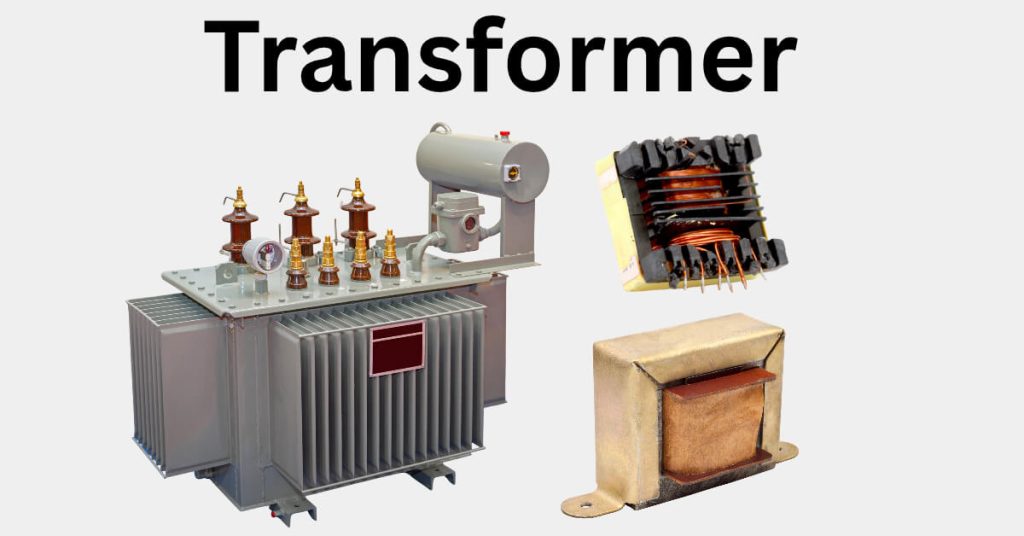
Transformers are essential components in electrical power systems, responsible for adjusting voltage levels to enable efficient transmission and safe distribution of electricity. Based on the principle of electromagnetic induction, a transformer transfers electrical energy between two or more circuits without direct contact, using coils of wire wrapped around a magnetic core. By stepping up voltage for long-distance transmission and stepping it down for consumer use, transformers minimize energy losses caused by resistance in conductors and ensure that power reaches users safely and reliably.
In large-scale power systems, step-up transformers are located at generating stations to increase voltage from around 11–25 kV to transmission levels that can exceed 400 kV. This process significantly reduces current flow and the associated heat loss over long distances. Step-down transformers, on the other hand, are positioned at substations and near end users to lower voltage back to practical levels, such as 230 V or 120 V, suitable for residential and industrial consumption. This voltage management enables the grid to operate efficiently while protecting appliances and infrastructure from damage due to excessive voltage.
Beyond their basic function, transformers also contribute to system stability and power quality. Modern transformers are equipped with tap changers, cooling systems, and monitoring sensors that allow operators to adjust voltage in real time and prevent overloads. With advances in smart grid technology, digital transformers now provide data analytics and remote diagnostics to optimize performance. As renewable energy sources become more common, transformers play a key role in integrating variable power outputs into the grid, maintaining consistent voltage and ensuring a reliable supply of electricity.
Smart Grids and Modern Innovations
With growing demand and renewable integration, traditional power systems are evolving into smart grids. Smart grids use digital communication, sensors, and automation to monitor and manage energy flow in real time. They enhance efficiency, detect outages instantly, and allow for distributed generation sources like rooftop solar or small wind systems.
Renewable energy integration has become a key focus in global energy policy. According to the U.S. Department of Energy, renewables accounted for nearly 30% of new electricity generation capacity added worldwide in 2024. Microgrids—localized power systems that can operate independently—are also gaining importance in ensuring stability during outages and supporting sustainable development in remote areas.
Power System Stability and Load Management
Power system stability refers to the ability of an electrical grid to maintain a steady operating condition when subjected to disturbances such as sudden load changes, generator failures, or faults in transmission lines. A stable system ensures that voltage, frequency, and power flow remain within safe limits, allowing continuous and reliable electricity delivery. When stability is compromised, fluctuations can lead to blackouts or equipment damage. To prevent this, modern grids employ automatic control systems and real-time monitoring to quickly detect and correct deviations, restoring balance between generation and consumption.
There are several types of stability within a power system, including voltage stability, frequency stability, and rotor angle stability. Voltage stability focuses on maintaining consistent voltage levels under varying load conditions, while frequency stability ensures the synchronization of all generators operating in parallel. Rotor angle stability deals with the mechanical dynamics of generators and their ability to remain synchronized with the grid. Achieving stability requires coordination among power plants, substations, and control centers, supported by robust communication networks and advanced automation technologies.
Load management, also known as demand-side management, plays a crucial role in maintaining system stability by regulating electricity consumption to match available supply. Utilities implement strategies such as time-of-use pricing, demand response programs, and automated load control to encourage consumers to use electricity more efficiently, especially during peak hours. By flattening demand curves and optimizing energy use, load management reduces stress on the grid and minimizes the need for additional generation capacity. In the context of renewable energy integration, effective load management helps balance intermittent power sources like wind and solar, ensuring a stable, sustainable, and efficient power system.
Conclusion
The operation of electrical power systems is a marvel of modern engineering. From massive generators in distant power plants to the light switch in your home, each stage of generation, transmission, and distribution works in harmony to deliver uninterrupted electricity. As the world moves toward cleaner and smarter energy solutions, understanding how these systems function is vital to shaping a sustainable and resilient energy future.
Frequently Asked Questions (FAQ)
1. What is an electrical power system?
An electrical power system is an interconnected network designed to generate, transmit, and distribute electricity to consumers efficiently and reliably.
2. How does the electrical power system work?
It operates through three main stages: generation of electricity at power plants, transmission over high-voltage lines, and distribution to homes and businesses at lower voltages.
3. What are the basic components of a power system?
The main components include generators, transformers, transmission lines, substations, distribution lines, and protective devices.
4. What is the difference between transmission and distribution?
Transmission involves high-voltage power transfer over long distances, while distribution delivers low-voltage electricity locally to end users.
5. Why are transformers important in power systems?
Transformers adjust voltage levels to reduce energy loss during transmission and make electricity safe for domestic or industrial use.
6. What is a single line diagram?
A single line diagram is a simplified representation of an electrical power system showing the flow of electricity through its major components using single lines and symbols.
7. What is power system protection and control?
It refers to the use of relays, circuit breakers, and automation to detect faults, isolate failures, and maintain system stability and safety.
8. How do smart grids improve electricity distribution?
Smart grids use sensors, automation, and real-time data to manage energy flow, reduce outages, and integrate renewable energy sources effectively.
9. What is renewable energy integration?
It is the process of incorporating energy from renewable sources like solar, wind, and hydro into the existing electrical grid.
10. What are microgrids and their benefits?
Microgrids are localized power systems that can operate independently from the main grid, improving reliability, resilience, and energy efficiency.
11. How is power system stability maintained?
Stability is maintained by balancing supply and demand, using control systems and backup generators to prevent frequency or voltage fluctuations.
12. What causes power losses in transmission lines?
Power losses mainly occur due to resistance in conductors, resulting in heat dissipation. High-voltage transmission minimizes these losses.
13. How do substations function in power systems?
Substations regulate voltage, control power flow, and serve as connection points between transmission and distribution networks.
14. What is load management in electrical power systems?
Load management involves controlling electricity demand to optimize grid performance, reduce peak loads, and enhance energy efficiency.
15. What is the future of electrical power systems?
The future lies in smart grids, renewable integration, energy storage, and digital automation—enabling cleaner, more resilient, and sustainable power networks.
So friends, I’m Pralay Bhunia, I hope I’ve been able to help you with this information How Electrical Power Systems Work. If you have any more questions or suggestions, please feel free to share them in the comments. Your support always inspires me to share more new information.
External link
Introduction to Electric Power Systems – MIT OpenCourseWare