Electricity drives the modern world, powering everything from household appliances to industrial automation systems. At the heart of this energy conversion process are electrical machines, devices that transform electrical energy into mechanical energy or vice versa. Understanding the types and working principles of these machines is essential for anyone studying or working in electrical and power engineering.
Introduction to Electrical Machines
An electrical machine is a device that converts energy between electrical and mechanical forms. Depending on the direction of this energy conversion, these machines are generally classified into motors and generators. Motors convert electrical energy into mechanical energy, while generators perform the reverse process by converting mechanical energy into electrical energy. According to the International Electrotechnical Commission (IEC), electrical machines account for nearly 45% of global electricity consumption, highlighting their importance in energy systems and efficiency studies.
Classification of Electrical Machines
Electrical machines form the backbone of modern energy systems, enabling the conversion between electrical and mechanical energy. Their classification is primarily based on the type of current they use and the nature of energy conversion involved. Understanding this classification helps engineers design efficient power systems and select appropriate machines for specific industrial or domestic applications.
Classification Based on Energy Conversion
Electrical machines can be divided into two broad categories according to the direction of energy transformation:
1. Electric Motors
Electric motors convert electrical energy into mechanical energy. When an electric current passes through a conductor placed in a magnetic field, it experiences a force that causes motion. This principle, derived from Fleming’s Left-Hand Rule, forms the basis of motor operation. Motors are essential in applications ranging from household appliances to large-scale industrial drives, robotics, and electric vehicles.
Related topics


2. Electric Generators
Generators perform the reverse function—they convert mechanical energy into electrical energy. Based on Faraday’s Law of Electromagnetic Induction, a voltage (or electromotive force) is induced in a conductor when it moves through a magnetic field. This voltage drives current through a circuit, producing electrical power. Generators are critical in power stations, renewable energy plants, and portable power systems.
Classification Based on Type of Current
Electrical machines are also categorized according to the type of current they use — either direct current (DC) or alternating current (AC).
DC Machines
DC machines operate using direct current. They consist of DC motors and DC generators.
- DC Motors are widely used in applications requiring variable speed control and precise torque, such as electric traction, cranes, and elevators.
- DC Generators are used in laboratories and specialized systems where a stable DC supply is needed.
The working principle of DC machines depends on the interaction between the magnetic field and the current-carrying armature conductors, producing rotational motion or induced voltage.
AC Machines
AC machines use alternating current and dominate modern power systems due to their efficiency and robustness. They are classified into synchronous and asynchronous (induction) machines.
- Synchronous Machines: These machines rotate at a speed exactly equal to the frequency of the supply current. They are often used as alternators in power generation and as synchronous motors in power factor correction applications.
- Induction Machines: Also called asynchronous machines, they operate based on electromagnetic induction. The rotating magnetic field produced by the stator induces current in the rotor, creating motion. Induction motors are the most widely used electrical machines in industry due to their durability and low maintenance.
Classification Based on Construction and Application
Electrical machines can also be classified by their construction and intended application:
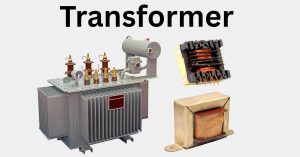
- Static Machines: These machines, such as transformers, do not involve mechanical motion. They work on the principle of electromagnetic induction to transfer power between circuits at different voltage levels.
- Rotating Machines: These include all types of motors and generators where rotational motion is part of the operation.
Depending on their purpose, electrical machines may be designed for industrial, domestic, transportation, or renewable energy applications.
Importance of Classification
The classification of electrical machines helps engineers and technicians understand their operating characteristics, efficiency, and suitability for specific applications. It also aids in maintenance, fault detection, and performance optimization. According to the International Energy Agency (IEA), optimizing the selection and operation of electrical machines could reduce global electricity consumption by nearly 10%, reinforcing the value of proper classification and use.
DC Machines
DC machines operate on direct current and are further categorized as DC motors and DC generators.
DC Motor Working Principle:
The working of a DC motor is based on Fleming’s Left-Hand Rule, which states that when a current-carrying conductor is placed in a magnetic field, it experiences a force that produces rotation. The direction of motion depends on the current and the magnetic field direction.
DC Generator Working Principle:
In contrast, a DC generator works on Fleming’s Right-Hand Rule, where mechanical motion of the armature within a magnetic field induces an electromotive force (EMF). This EMF drives current through an external circuit, converting mechanical energy into electrical energy.
DC machines are often used in applications that require precise speed control, such as electric traction, elevators, and rolling mills.
AC Machines
Alternating current machines are more commonly used in modern industries due to their robustness and efficiency. They include synchronous and asynchronous (induction) machines.
Synchronous Machines:
A synchronous machine operates when the speed of the rotor is synchronized with the frequency of the supply current. These machines can function as both motors and generators. In power stations, synchronous generators—often called alternators—are used to produce large-scale electricity. They maintain a constant speed regardless of load variations, making them ideal for frequency control in power systems.
Induction Machines:
Induction machines, also known as asynchronous machines, are widely used as industrial motors. Their working principle is based on electromagnetic induction, where a rotating magnetic field produced by the stator induces current in the rotor, creating motion. The absence of direct electrical connection between the stator and rotor makes them simple, durable, and cost-effective. Studies show that induction motors constitute nearly 70% of all industrial motor applications due to their reliability and minimal maintenance requirements.
Special Purpose Electrical Machines
In addition to standard AC and DC types, there are special machines designed for specific applications. Stepper motors are used in robotics and automation systems, where precise angular movement is needed. Servo motors provide controlled torque and speed in feedback systems. Universal motors, capable of operating on both AC and DC supply, are commonly found in household appliances such as vacuum cleaners and drills.
Working Principles of Electrical Machines
Electrical Machines Working Principles: The working principle of electrical machines is founded on Faraday’s Law of Electromagnetic Induction, which states that when a conductor moves within a magnetic field, an electromotive force (EMF) is induced in it. This induced EMF either causes current to flow or produces motion, depending on whether the machine functions as a generator or a motor. This fundamental concept forms the basis for all energy conversion processes in electrical engineering.
In electric generators, mechanical energy—often supplied by turbines, engines, or other prime movers—is converted into electrical energy. As the conductors within the machine’s armature rotate through a magnetic field, an EMF is induced, generating current in the external circuit. Conversely, in electric motors, electrical energy is converted into mechanical energy. When current passes through the armature conductors placed in a magnetic field, they experience a force that produces torque, resulting in rotational motion.
The smooth operation of electrical machines depends on maintaining a strong and uniform magnetic field, effective insulation, and efficient mechanical design. Both AC and DC machines rely on the same electromagnetic principle, but differ in how current is supplied and controlled. This principle of energy conversion remains central to modern technology, powering everything from industrial equipment and transportation systems to renewable energy sources and household devices.
Applications of Electrical Machines
Electrical machines are indispensable in modern society, serving as the foundation of both industrial and domestic electrical systems. In power generation, machines such as alternators and generators convert mechanical energy from turbines into electrical power, enabling large-scale energy distribution through grids. These machines ensure a consistent and reliable electricity supply, which supports infrastructure, manufacturing, and communication networks worldwide.
In industrial applications, electric motors drive machinery, conveyors, compressors, and pumps that keep production systems operating efficiently. Their ability to convert electrical energy into mechanical motion with high efficiency and controllable speed makes them vital in automation, robotics, and process industries. Induction motors, in particular, dominate this sector due to their simplicity, durability, and cost-effectiveness.
Electrical machines are also integral to transportation and renewable energy systems. They power electric vehicles, trains, and aircraft, reducing dependence on fossil fuels and contributing to sustainable mobility. In renewable sectors, wind turbines use generators to convert wind energy into electricity, while hydroelectric plants rely on similar principles for power generation. The continued advancement of electrical machines plays a crucial role in achieving global energy efficiency and sustainability goals.
Future Outlook and Technological Advancements
With the growing emphasis on energy efficiency and sustainability, new research focuses on smart electrical machines and variable frequency drives (VFDs) that enhance performance while minimizing power losses. The integration of artificial intelligence in predictive maintenance is transforming how industries monitor and manage motor performance. According to the International Energy Agency (IEA), advancements in motor efficiency could reduce global electricity consumption by up to 10% in the coming decades.
Conclusion
Electrical machines are the foundation of the modern electrical world. Their ability to efficiently convert energy forms the backbone of industry, infrastructure, and daily life. Understanding their types and working principles not only deepens knowledge in electrical engineering but also drives innovation toward cleaner, smarter, and more sustainable technologies. As energy demands continue to rise, the evolution of electrical machines will remain at the forefront of technological progress.
Frequently Asked Questions (FAQ)
1. What are electrical machines?
Electrical machines are devices that convert energy between electrical and mechanical forms, functioning either as motors or generators.
2. What are the main types of electrical machines?
The main types include DC machines and AC machines, with AC machines further divided into synchronous and induction types.
3. What is the basic principle of electrical machines?
All electrical machines operate on the principle of electromagnetic induction, as explained by Faraday’s Law.
4. How do electric motors work?
Electric motors convert electrical energy into mechanical energy through the interaction of magnetic fields and current-carrying conductors.
5. What is the function of an electrical generator?
A generator converts mechanical energy into electrical energy using the principle of electromagnetic induction.
6. What is the difference between AC and DC machines?
AC machines use alternating current, while DC machines operate on direct current. Their designs and applications vary accordingly.
7. What are synchronous machines?
Synchronous machines rotate at a speed that matches the supply frequency. They are commonly used as alternators in power plants.
8. What are induction machines?
Induction machines, also known as asynchronous machines, operate based on electromagnetic induction and are widely used as industrial motors.
9. What are some applications of electrical machines?
They are used in power generation, industrial automation, transportation, appliances, and renewable energy systems.
10. Why are induction motors popular in industries?
Induction motors are reliable, efficient, and require minimal maintenance, making them ideal for continuous industrial use.
11. Who discovered the principle behind electrical machines?
The working principle of electrical machines is based on Michael Faraday’s Law of Electromagnetic Induction, discovered in 1831.
12. How are electrical machines classified based on function?
They are classified as motors (convert electrical to mechanical energy) and generators (convert mechanical to electrical energy).
13. What role do electrical machines play in renewable energy?
In renewable systems like wind turbines and hydroelectric plants, generators convert natural mechanical energy into electricity.
14. How is efficiency measured in electrical machines?
Efficiency is the ratio of output power to input power, expressed as a percentage, indicating energy conversion performance.
15. What is the future of electrical machines?
The future focuses on smart machines, energy-efficient designs, and AI-based predictive maintenance for sustainability and performance improvement.
So friends, I’m Pralay Bhunia, I hope I’ve been able to help you with this information How Electrical Power Systems Work. If you have any more questions or suggestions, please feel free to share them in the comments. Your support always inspires me to share more new information.
External link
- Electrical Machines – Swayam – NPTEL